

Learn Web Development Skills for Front-End and Back-End Coding
Web development is a cornerstone of the digital age, enabling individuals and businesses to create engaging websites and web applications. Whether you’re a beginner or a seasoned developer, mastering both front-end and back-end coding is essential for building dynamic and functional websites. In this blog post, we’ll explore the skills you need, resources to learn from, and actionable steps to become a proficient web developer.
What is Web Development?
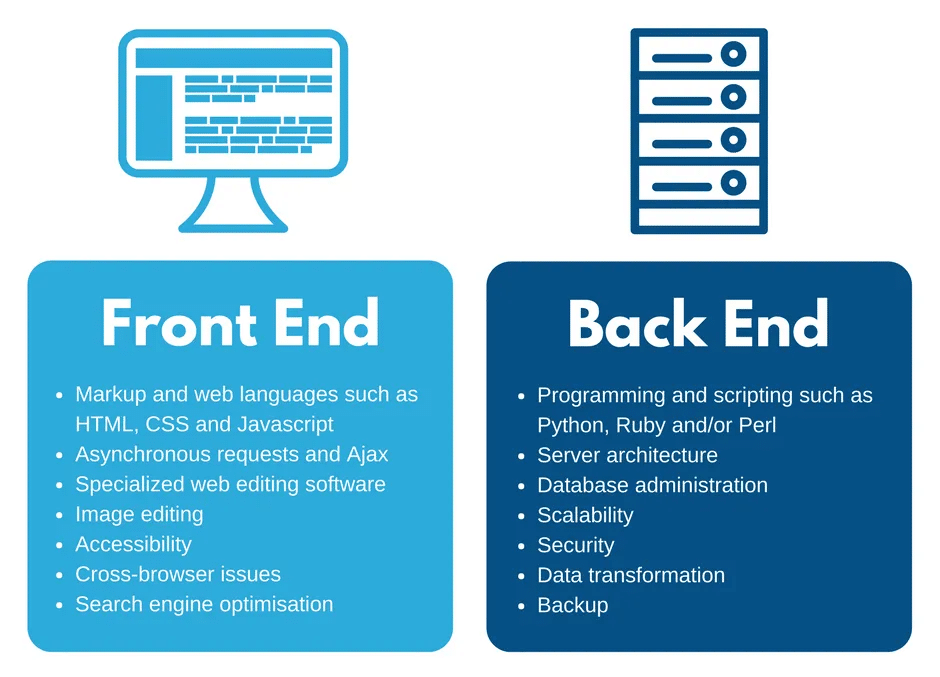
Web development involves creating websites and applications for the internet. It is divided into two primary areas:
- Front-End Development: Focuses on the user-facing side of a website, including design, layout, and interactivity.
- Back-End Development: Handles the server-side functionality, databases, and application logic.
Combining these skills enables developers to create complete, functional websites.
Why Learn Web Development?
- High Demand: Web development skills are sought after across industries.
- Lucrative Careers: Developers often enjoy competitive salaries.
- Creative Freedom: Build unique projects from scratch.
- Remote Opportunities: Work from anywhere in the world.
Essential Front-End Development Skills
Front-end development focuses on creating the visual and interactive elements of a website. Key skills include:
1. HTML (HyperText Markup Language)
- The backbone of any website.
- Structures content into headings, paragraphs, lists, and more.
2. CSS (Cascading Style Sheets)
- Styles the HTML elements with colors, fonts, layouts, and animations.
- Enables responsive design for mobile and desktop compatibility.
3. JavaScript
- Adds interactivity to web pages, such as animations, dynamic forms, and real-time updates.
- Essential for creating a seamless user experience.
4. Frameworks and Libraries
- React: A JavaScript library for building user interfaces.
- Vue.js and Angular: Popular frameworks for creating dynamic front-end applications.
5. Responsive Design
- Learn frameworks like Bootstrap and CSS Grid to ensure websites adapt to various screen sizes.
Essential Back-End Development Skills
Back-end development involves managing the server, database, and application logic. Important skills include:
1. Programming Languages
- JavaScript (Node.js): A versatile choice for server-side development.
- Python: Known for its simplicity and frameworks like Django and Flask.
- Ruby: Powers frameworks like Ruby on Rails.
- PHP: Widely used for web development.
2. Databases
- SQL: Learn database management with MySQL, PostgreSQL, or SQLite.
- NoSQL: Explore MongoDB and Firebase for flexible database structures.
3. APIs (Application Programming Interfaces)
- Understand how to build and consume APIs for data exchange between the front-end and back-end.
- Familiarize yourself with REST and GraphQL.
4. Version Control
- Master Git and platforms like GitHub for code collaboration and version management.
5. Server Management
- Learn about web servers like Apache and Nginx.
- Understand hosting services like AWS, Heroku, and DigitalOcean.
Full-Stack Development: Bridging Front-End and Back-End
Full-stack developers have expertise in both front-end and back-end development. Learning full-stack development includes:
- Combining front-end frameworks like React with back-end technologies like Node.js.
- Understanding the interaction between client-side and server-side components.
- Developing and deploying complete web applications.
Learning Path for Web Development
Step 1: Start with the Basics
- Begin with HTML, CSS, and JavaScript.
- Build simple static websites to understand the fundamentals.
Step 2: Learn Front-End Frameworks
- Dive into React, Vue.js, or Angular to create dynamic user interfaces.
Step 3: Explore Back-End Development
- Choose a back-end language like Node.js or Python.
- Learn database management and how to build APIs.
Step 4: Build Projects
- Start with small projects like portfolios, blogs, or to-do apps.
- Gradually move to more complex projects like e-commerce websites or social media platforms.
Step 5: Practice Version Control
- Use Git for version control and collaborate on GitHub.
Step 6: Learn Deployment
- Host your projects on platforms like Netlify, Vercel, or AWS.
Top Resources to Learn Web Development
Online Courses
- freeCodeCamp: Offers free courses on front-end, back-end, and full-stack development.
- Udemy: Paid courses like “The Complete Web Developer Bootcamp.”
- Coursera: Comprehensive programs from universities like the University of Michigan.
Interactive Platforms
- Codecademy: Interactive lessons on HTML, CSS, and JavaScript.
- Khan Academy: Free tutorials on web development basics.
Books
- “Eloquent JavaScript” by Marijn Haverbeke.
- “You Don’t Know JS” by Kyle Simpson.
Communities
- Stack Overflow: Solve coding problems with community support.
- Reddit: Join forums like r/webdev for advice and discussions.
Tips for Success in Web Development
- Practice Consistently: Build projects regularly to improve your skills.
- Stay Updated: Follow blogs, attend webinars, and join communities to stay informed about industry trends.
- Debug Effectively: Learn to identify and fix errors efficiently.
- Collaborate: Work on open-source projects to gain real-world experience.
- Portfolio Building: Showcase your projects and skills in an online portfolio.
Conclusion
Learning web development skills for front-end and back-end coding opens up endless opportunities in the tech world. By mastering essential technologies and combining theoretical knowledge with practical projects, you can become a proficient web developer. Start your journey today and transform your ideas into functional, beautiful websites and applications!